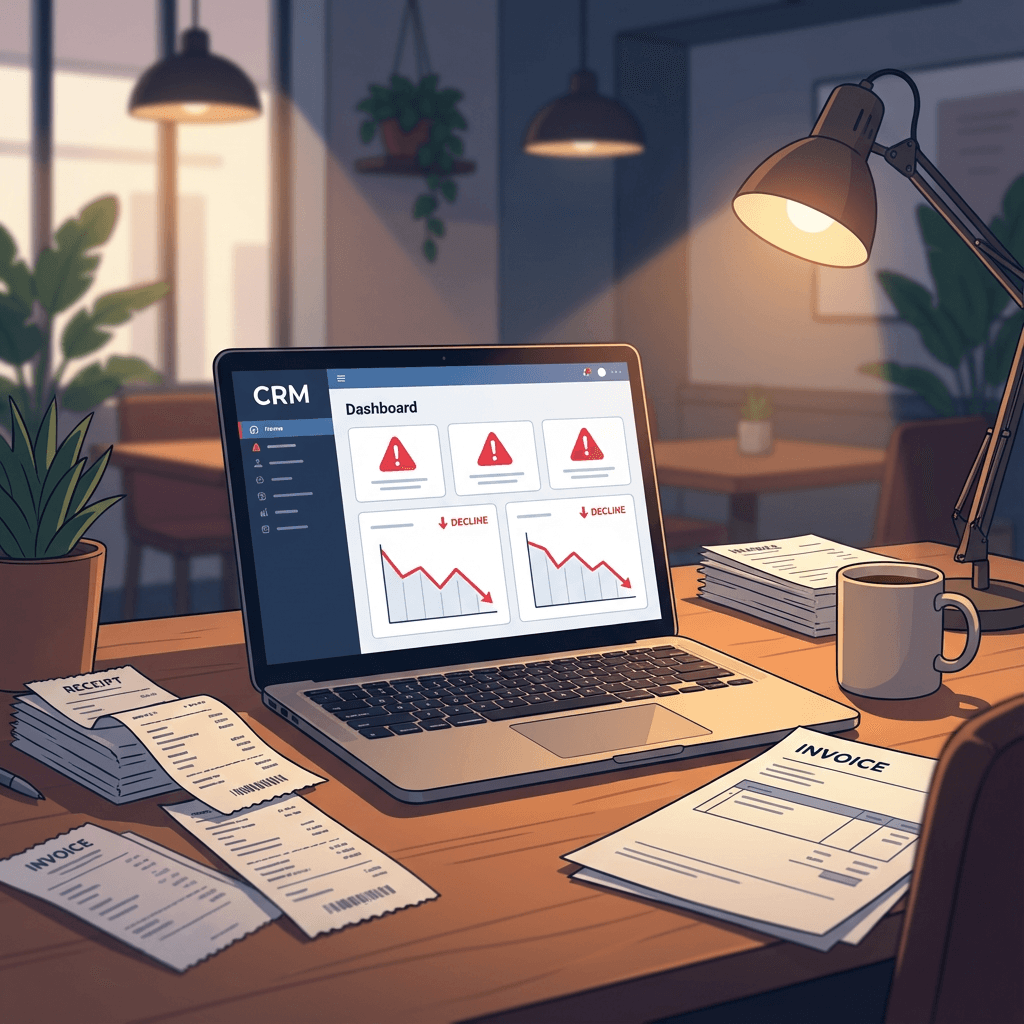
5 Signs Your Restaurant CRM is Wasting Your Money
Is your “best CRM for restaurants” actually draining your budget? Learn 5 warning signs your restaurant CRM is wasting money, and what to switch to instead.

Discover how AI marketing automation helps restaurants, cafes and bars run smarter campaigns, fill quiet periods and build loyalty without a marketing team.
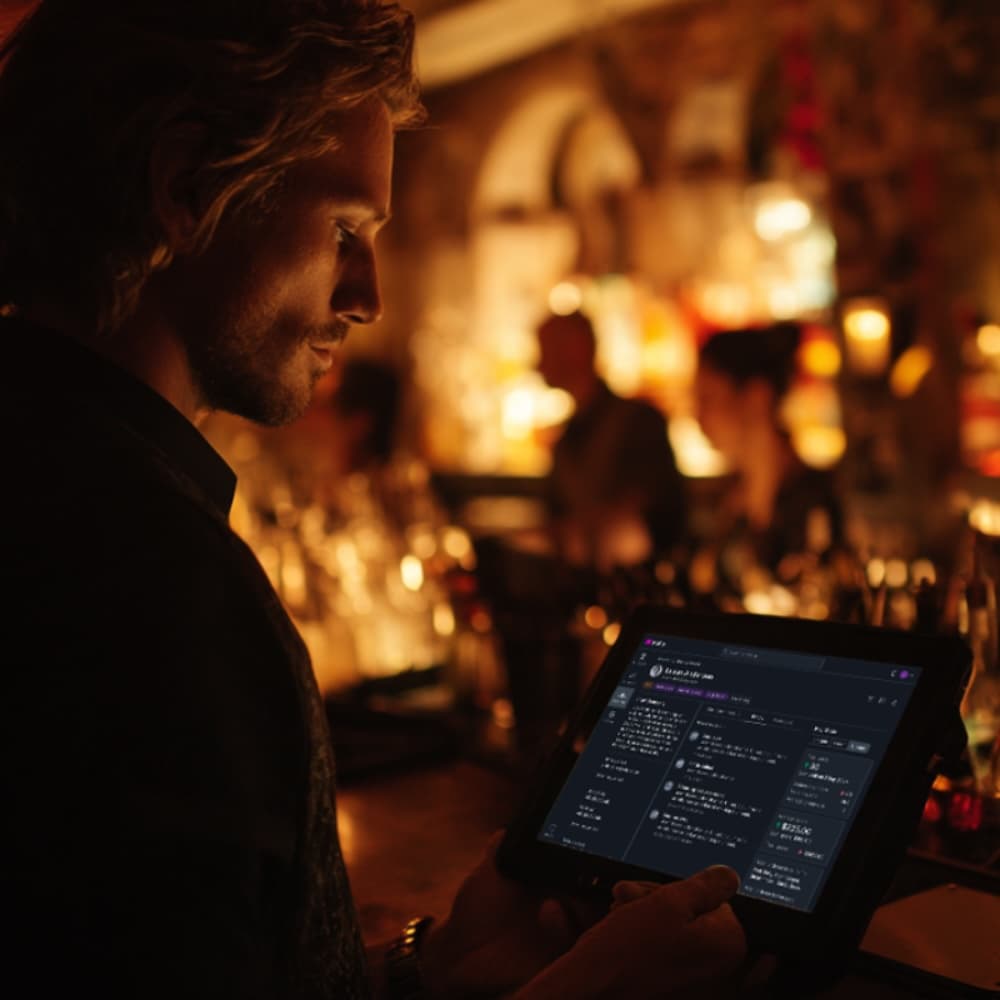
You know you should be doing more marketing. The problem? You're running a venue, not a marketing agency.
Between managing staff, handling suppliers, and actually being on the floor during service, marketing emails get pushed to "next week." Again. Meanwhile, your Tuesday lunch shift stays quiet, and you're watching the same regulars come in while new customers book once and disappear.
Sound familiar?
Here's the reality: hospitality venues that consistently market themselves fill more seats, build stronger customer loyalty, and ride out the slow periods better. But "consistently" is the problem. You don't have time. You don't have a marketing team. And honestly? You probably don't have the budget for one either.
This is where AI changes the game, not by adding more work, but by doing the work for you.
Let's be honest about why marketing falls apart:
You're time-poor. You're on the floor during peak service, dealing with suppliers in the morning, managing rosters, handling complaints, fixing the coffee machine. When exactly are you supposed to write a campaign?
You don't know what to say. What offer should you run? Who should you target? What subject line actually works? Most operators guess, and guessing wastes money.
You're inconsistent. You send a campaign when you remember. Then nothing for two months. Then a random promotion when it's already too late to fill seats.
You can't measure it. Did that email actually bring people in? Or did they just book anyway? Without proper tracking, you're flying blind.
The result? Marketing becomes something you know you should do but never quite get around to, or you try it, see mediocre results, and give up.
Forget the hype. Here's what AI actually does for hospitality venues:
AI doesn't guess what might work: it knows what does work because it analyses your actual venue data. Your POS sales, booking patterns, customer behaviour, even external factors like weather and local events.
Real example: Your POS data shows wine sales spike on rainy weeknights. AI spots the pattern, generates a "Rainy Night Wine Flight" campaign, and sends it automatically when the forecast shows rain mid-week. You didn't have to think about it. It just happened.
Or: A customer books for a party of six, great experience, five-star review. Then... nothing. AI notices they haven't returned in 45 days and triggers a personalised "we miss you" offer. Again, automatic.
This isn't magic: it's just smart use of data you already have.
Here's what building a campaign used to look like:
Here's what it looks like with AI:
And because it's automated, you can schedule campaigns in advance. No more "oh shit, I forgot to send something for Mother's Day."
The biggest killer in hospitality marketing isn't bad campaigns: it's no campaigns. AI solves this by running in the background.
Set it up once, and it:
Your marketing engine keeps running even when you're slammed on a Friday night.
Every campaign AI sends, it learns. Which subject lines get opened. Which offers drive bookings. What time of day performs best for your specific audience.
That "Rainy Night Wine Flight" campaign? The first time it might get a 15% open rate. By the third time, AI has learned your audience prefers Wednesday over Tuesday, tweaked the subject line, and now you're at 28% open rate with a 12% conversion to bookings.
You didn't do anything. The system just got better at its job.
Let's get specific. Here are real scenarios AI handles for hospitality venues:
Filling Quiet Periods
Your Tuesday lunch service is dead. AI identifies your most engaged local customers, generates an exclusive "Local's Lunch Special - Tuesdays Only" campaign, and sends it Monday afternoon. Tuesday bookings increase by 35%.
Re-engaging Lost Customers
Someone hasn't visited in 60 days. AI sends a personalised "we miss you" message with a time-limited offer. 20% of recipients rebook within two weeks.
Birthday Campaigns
Customer birthday coming up? AI sends a personalised offer a week before. They book a table, bring five friends, and you've just turned one cover into six.
Event-Based Promotions
Big concert at the venue down the road? AI generates a "pre-show drinks" campaign targeting customers who live nearby. You didn't even know the concert was happening.
Weather-Responsive Offers
Heatwave forecast? "Beat the Heat - Frozen Cocktails" campaign goes out. Cold snap? "Warm Up with Our Winter Menu" gets sent instead.
These aren't hypothetical: this is what nollie does every day.
Fair question. Here's what you're probably thinking:
"I'm a small venue. Is this only for big groups?"
No. AI works better for small venues because you don't have a marketing team. It levels the playing field. Whether you're a 30-seat cafe or a 5-location restaurant group, the tech is the same.
"I'm not technical. Will I need to learn coding?"
Absolutely not. If you can send an email, you can use AI marketing tools. nollie is built for operators, not developers.
"How much does this cost?"
Less than hiring a part-time marketer, and it works 24/7. Most AI marketing platforms start around the cost of one or two extra covers per week. If it's filling seats, it pays for itself.
"Do I need perfect data?"
Nope. AI works with whatever you've got. Even basic POS or booking data is enough to start. The more it has, the better it performs, but it doesn't need perfection.
"What if my brand voice gets lost?"
Good AI learns your voice. You train it once (literally just show it a few examples), and it writes in your style. No generic "Hey there, food lovers!" nonsense unless that's actually how you talk.
You didn't open a restaurant to spend hours on Mailchimp. You did it because you love hospitality: the food, the drinks, the atmosphere, the people.
AI gives you back that time. It handles the repetitive, strategic, data-heavy work of modern marketing so you can focus on what actually matters: running a great venue.
And here's the thing: your competitors are already doing this. The venues that are consistent, that always seem to have campaigns running, that magically fill their slow periods? They're not working harder than you. They're just working smarter.
What is AI marketing for restaurants?
AI marketing uses artificial intelligence to analyse your venue data (sales, bookings, customer behaviour) and automatically create, send, and optimise marketing campaigns, without you having to do the manual work.
How does AI create restaurant marketing campaigns?
AI pulls data from your POS and booking systems, identifies patterns (like which customers haven't returned, or when you have quiet periods), and generates targeted campaigns with copy, design, and timing optimised for your audience.
Do I need technical skills to use AI marketing tools?
No. Modern AI marketing platforms are designed for hospitality operators, not tech experts. If you can use email, you can use AI marketing.
How much does AI marketing cost for small restaurants?
Most AI marketing platforms for hospitality start around $200-400/month: roughly the revenue from one or two extra covers per week. Compare that to hiring a marketer or spending hours doing it yourself.
Can AI marketing work for cafes and bars, or just restaurants?
AI marketing works for any food and beverage venue: cafes, bars, pubs, restaurants, wineries, distilleries. As long as you have customer data, AI can help you market smarter.
Will AI replace my restaurant's brand voice?
No. Good AI learns and mimics your brand voice. You train it once by showing examples of how you communicate, and it writes campaigns that sound like you, not a robot.
How quickly can I see results from AI marketing?
Most venues see measurable results (increased bookings, higher engagement) within the first month. The longer you use it, the smarter it gets.
If you're tired of inconsistent marketing, wasted time, and campaigns that don't move the needle, it's time to try a booking system with marketing built in, so the guest data driving your campaigns is already yours.
Book a demo with nollie and see how nollie can support your venue's marketing.
Is your “best CRM for restaurants” actually draining your budget? Learn 5 warning signs your restaurant CRM is wasting money, and what to switch to instead.
Bring lapsed restaurant guests back with three email templates, sensible timing and a simple way to track bookings. Practical advice for busy venue teams.
Set up Wix restaurant email marketing with labels, segments, automations, templates, guest data, and hospitality CRM upgrade signs.