Christmas 2026 bookings for UK restaurants: deposits, pre-orders and the waitlist
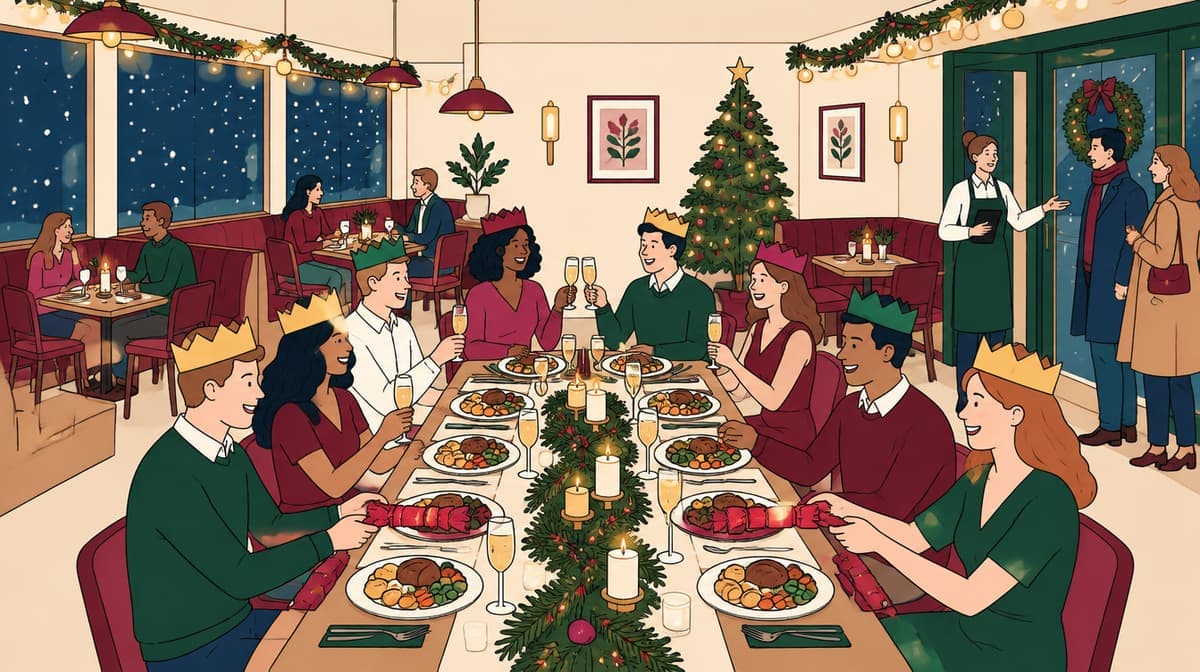
When to take a deposit or card hold for Christmas 2026, how to run group pre-orders without chaos, and how a waitlist refills the tables that cancel.

Commission-free restaurant bookings mean there is no booking commission on the reservations covered by that offer. Check which channels it includes. A free website widget can sit alongside paid marketplace bookings, and a subscription, setup fee or optional extras may still apply. The useful comparison is your whole bill, using your own mix of guests.

For UK restaurants, pubs, cafés and bars. nollie's bookings prices below apply to the UK. Australia, New Zealand and Singapore have a separate CRM offer.
nollie makes a competing product. Read this the way you would read anything written by a rival.
You've got a quiet Thursday to fill and three booking-system tabs open. All of them sound affordable. One says commission-free, another offers a free booking widget, and a third wants to talk about its diner network.
Before comparing prices, work out what each one is charging you for.
A direct booking is a guest reserving through a channel you control, such as the booking link on your website. A marketplace booking starts through a platform where people can discover and compare venues.
Those journeys can end up in the same reservation book while attracting different fees. Even if a guest already knows your restaurant, the link they use may determine how the booking is billed.
Ask the supplier to map your actual links: website, Google profile, social accounts and any partner listings. Don't assume every link with your restaurant's name on it counts as direct.
| Term | What it describes | What to check |
|---|---|---|
| Commission-free | No booking commission within the stated scope | Which channels and plans qualify? |
| Network cover | A diner attributed to a platform's network | Which websites, apps and partners count? |
| Seated-only billing | A charge based on guests who attended | How are party changes and no-shows corrected? |
| Free booking widget | A booking tool for your own site or social pages | Are marketplace fees and subscriptions separate? |
The OpenTable UK plans page draws a clear distinction: Cover fees on the Core and Pro plans apply only to diners who reach the restaurant through OpenTable, not to bookings made on the restaurant’s own site or by phone. No amount is published. Cover fees are charged on seated diners only.
So “OpenTable charges for every booking” would be wrong. Its published channel rules matter. For the wider cost breakdown, see our OpenTable UK pricing guide.
TheFork Manager's pricing page uses a different basis: Reservations arriving from TheFork, Tripadvisor and partner channels carry a fee set as a percentage of the average bill per guest. Reservations from the restaurant’s own website, Instagram and Facebook are included at no fee. No percentage is published.
These are examples of why a free direct-booking channel and a paid discovery channel can exist in the same system. Ask for the rate and terms that apply to your venue before putting a figure in your budget.
One reservation for four people is four covers. If only three arrive, a seated-cover calculation should use the actual attendance, subject to the supplier's billing rules.
Ask how your team records a smaller party, cancellation or no-show, and when billing corrections close. Otherwise, a tidy spreadsheet can still be based on the wrong number.
Start with a completed month. Keep direct covers, network covers and total covers separate. Then repeat the exercise for a busier month. Your December mix may look quite different from February.
Compare the subscription, applicable booking charges and any extras you intend to use. Ask about setup, SMS, payment processing and optional promotions. These are questions to resolve, not a claim that every supplier charges for every item.
Check volume limits too. No per-cover fee doesn't necessarily mean unlimited covers on every plan.
For example, nollie's UK Core plan is £99 a month for up to 500 total monthly covers, with no per-cover fees and a separate £129 setup fee. Plans include bookings and guest marketing, with email campaigns included. SMS is optional at £39 a month for 500 messages, then £0.08 each. See the UK plans and add-ons and UK terms.
Use all your covers when choosing a plan, including direct bookings. Comparing one supplier's network volume with another's total allowance won't give you a useful answer.
A commission-free label tells you little about what happens after the meal.
Ask which guest details reach your venue, what you can export and how marketing permissions are recorded. Get someone to show you the workflow for inviting a previous guest back. Seeing an email address in a booking record isn't enough to establish permission to send promotions.
A marketplace may remain part of the guest's booking habit. Your own website, service and follow-up give them reasons to come back directly. Neither arrangement guarantees loyalty, and a fee label doesn't settle data rights.
Once those permissions and records are clear, our win-back email templates give you a practical place to start.
Take these into the demo and ask for the answers in the written proposal.
If a marketplace helps fill a service you struggle to sell, paying for that demand can make sense. A lower software bill won't replace those guests on its own.
Look at the contribution after the relevant costs, and be cautious about treating every marketplace booking as an extra visit. Some guests may have found you anyway. Equally, direct bookings take work: a clear website, an easy booking journey and reasons to return.
Choose the mix that works for your venue. Our UK booking-system guide can help you build a shortlist. If you'd like to see nollie, bring your monthly covers and channel breakdown to a demo. We'll have something useful to work through.
No. It describes the booking commission for the channels covered by the offer. A subscription, setup fee, optional messaging or payment-processing costs may still apply. Ask for each cost separately.
No. A cover is one diner. A reservation for four people represents four covers. Where billing is seated-only, reconcile the actual party size and attendance before comparing it with the invoice.
Yes. Direct and marketplace bookings can have different fee rules. Check which links count as each channel and confirm the terms of your chosen plan.
No. UK plans start at £99 a month for up to 500 total monthly covers, with a separate £129 setup fee. Email campaigns are included; SMS is an optional paid add-on. Choose the plan using all your covers.
When to take a deposit or card hold for Christmas 2026, how to run group pre-orders without chaos, and how a waitlist refills the tables that cancel.
Understand OpenTable's UK fee structure, distinguish published facts from third-party prices, and compare a labelled cover-cost scenario with nollie.
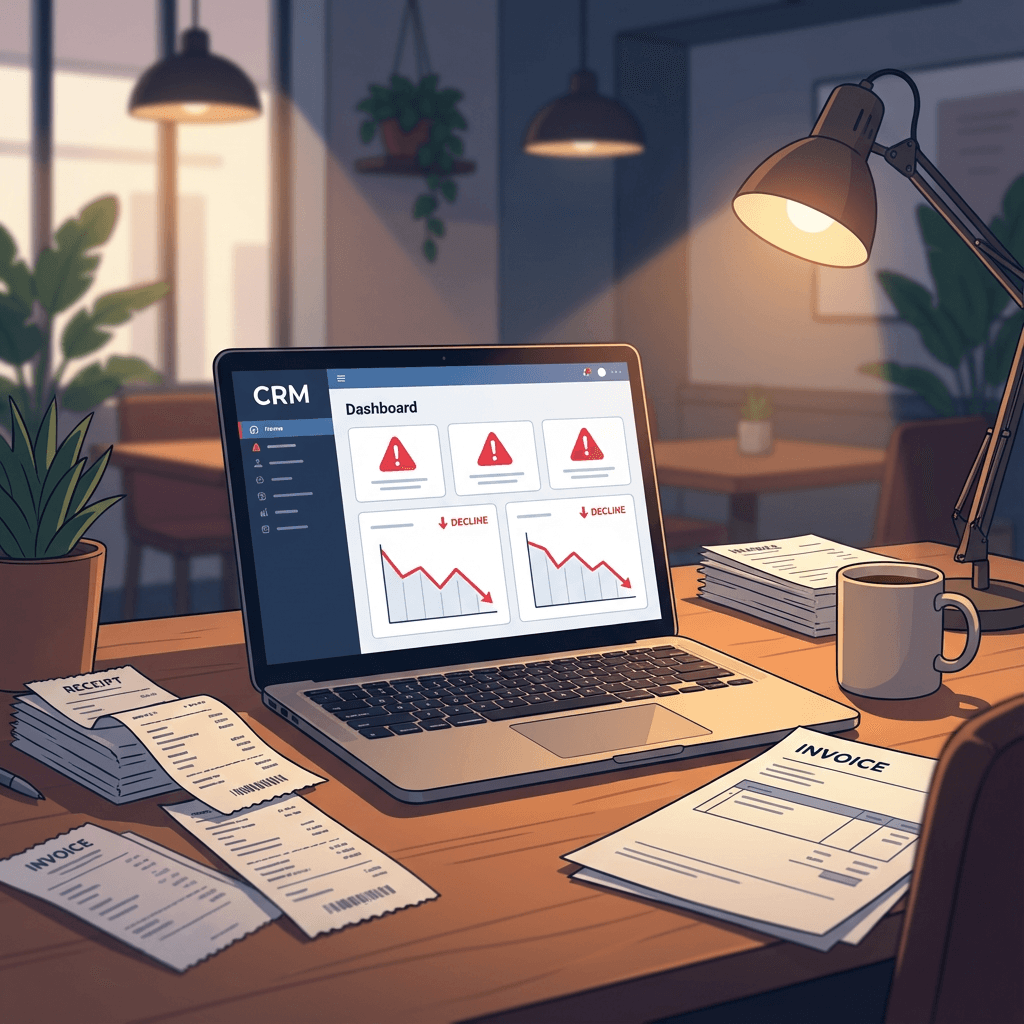
Is your “best CRM for restaurants” actually draining your budget? Learn 5 warning signs your restaurant CRM is wasting money, and what to switch to instead.