Win Back Lapsed Restaurant Guests (Templates + Timing)
Bring lapsed restaurant guests back with three email templates, sensible timing and a simple way to track bookings. Practical advice for busy venue teams.

Honest comparison of nollie, SevenRooms, and Toast Marketing for restaurants. Features, pricing, and which is right for independent venues vs enterprise.
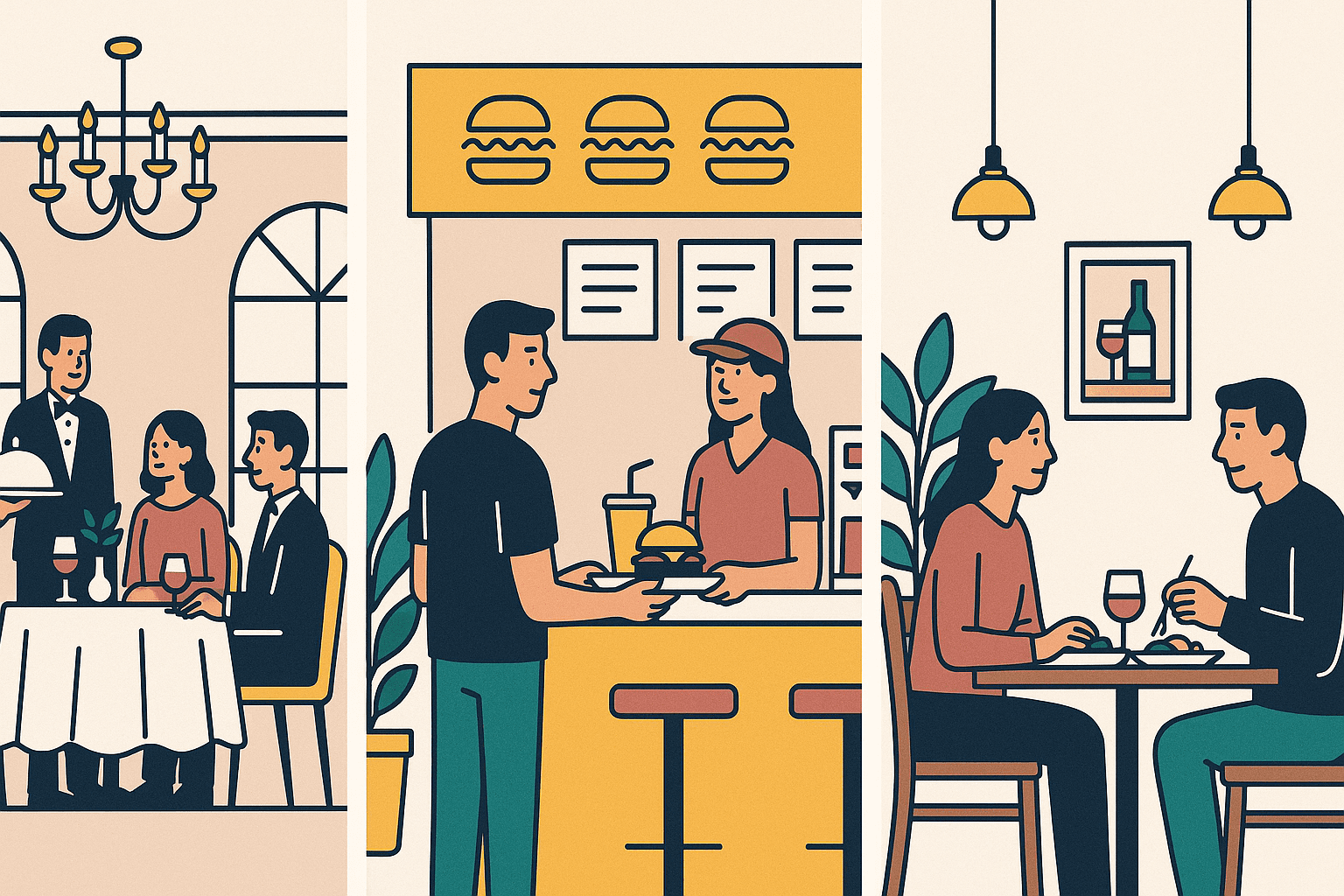
A lot of restaurant operators searching for sevenrooms alternatives end up comparing platforms that look similar on the surface but are trying to do very different things underneath.
That is where the confusion starts.
You have one platform built for high-end, enterprise hospitality. Another is bundled into a POS stack. And another is built specifically for independent venues that want more repeat business without hiring a full marketing team.
If you're a pub, café, neighbourhood restaurant, wine bar, or small hospitality group, the question is not just which product has the most features. It is whether those features are the right fit for the way you actually run your business.
Because most restaurant data is sitting there doing absolutely nothing.
You already know who booked in November. You already know who has not been back in three months. You already know which guests came for Mother’s Day, Valentine’s, brunch, or Sunday lunch. The issue is not whether the data exists. The issue is whether your system helps you turn that data into revenue.
That is why this restaurant CRM comparison matters.
We spoke to 500+ restaurants while shaping nollie, and the pattern was brutally consistent: independent operators do not want more dashboards, more setup, or another bloated platform to babysit. They want something that helps them fill quiet nights, bring guests back, and save them time.
That is also why searches around sevenrooms vs nollie and toast marketing alternatives are becoming more common. Operators are looking past brand recognition and asking a better question: what is actually right for my restaurant?
Let’s get into it.
Here is the short version before we go deeper.
A few key differences stand out immediately:
That should already tell you something important: this is not a fight over who has the most buttons. It is a fit question.
SevenRooms is a serious platform. It is good at what it is good at, and pretending otherwise would be lazy.
If you look at major hospitality groups, hotel brands, and premium venues that need deep control over reservations, seating, guest profiles, VIP treatment, and direct booking flows, SevenRooms has earned its place. It is designed for operators who want guest experience, front-of-house management, and CRM-style capabilities tied together in one system.
That is the upside.
SevenRooms tends to appeal to businesses that need more than just marketing.
Its strengths usually include:
For the right venue, that is powerful.
If you are running a hotel restaurant, a premium multi-site group, or an operation where table management and guest journey orchestration are central to the business, SevenRooms can absolutely make sense. It is built for environments where complexity is not a bug. It is the business.
Here is the catch: most independent venues do not need an enterprise hospitality operating system.
They need more guests back through the door.
That is why a lot of searches for sevenrooms alternatives come from operators who admire the capability but do not love what comes with it: long setup cycles, custom quotes, annual contracts, and a product that can feel oversized for a single-site restaurant, pub, or café.
Estimated pricing is commonly discussed in the $500-700+ per month range, depending on modules and setup, but the bigger issue is not just the number. It is the opacity. If pricing is hidden behind a sales process, that creates friction immediately for an independent operator trying to make a practical decision.
Implementation is another factor. SevenRooms is not typically something you switch on over coffee and get running before lunch. A four to eight week rollout may be perfectly reasonable in enterprise hospitality. For an owner-operator, it can feel like adopting a second job.
Then there is the management overhead. Powerful systems ask more of you. More configuration. More training. More process discipline. More time spent making the machine run.
For a Michelin-level venue group, fair enough.
For a neighbourhood bistro trying to fill a wet Wednesday, maybe not.
SevenRooms is a strong fit if:
If that is you, SevenRooms is worth serious consideration.
If you are a smaller independent operator, it may be a classic case of buying a battleship to cross a canal.
Toast Marketing solves a different problem again.
Toast is, first and foremost, a restaurant POS ecosystem. Marketing sits inside that world as an extension, not the centre of gravity. That can be a good thing if you are already committed to Toast hardware, Toast software, and the wider Toast operating model.
If not, the whole thing starts to look rather less charming.
The main strength of Toast Marketing is obvious: proximity to the POS.
If your restaurant already runs on Toast, then marketing tools tied directly to transaction and guest data can be useful. You avoid some integration work and keep more of your operational stack in one vendor ecosystem.
You also get the comfort of working inside an established restaurant technology brand with deep POS roots. For operators who want one vendor handling a large chunk of the stack, that has appeal.
The problem is right there in the name: it is an add-on.
Toast Marketing is not a standalone restaurant CRM and lifecycle marketing product that happens to integrate with POS. It is marketing built on top of a POS ecosystem.
That distinction matters.
If you are already paying for Toast hardware and Toast POS software, then the marketing add-on may be convenient. If you are evaluating it only as a marketing option, compare the cost and migration work of the wider POS stack rather than treating the add-on as a standalone subscription.
That makes the decision different for operators using another booking, point-of-sale or website stack who want to keep those systems. When people search for toast marketing alternatives, they may be asking one of two questions:
That is where Toast starts losing ground.
Toast Marketing makes sense if:
If you are not already in Toast, it is hard to recommend as the starting point for restaurant marketing.
This is the bit that matters if you run one to five venues and are tired of being offered enterprise software dressed up as a universal solution.
nollie is not trying to be a giant all-in-one hospitality operating system. It is trying to solve the problem independent venues actually feel every week: how do we bring guests back without spending half our life running campaigns?
That focus changes everything.
nollie is built for independent venues and small groups. Think pubs, restaurants, cafés, bars, and hospitality operators with one to five locations.
The goal is simple: turn dormant guest data into targeted campaigns that drive bookings and repeat visits.
Not eventually. Not after a six-week onboarding process. Not once you have hired someone who enjoys living inside dashboards.
Quickly.
That means nollie is designed around outcomes like:
This is where the product deliberately avoids the trap a lot of hospitality tech falls into. It does not lead with jargon. It does not assume the operator wants to become a CRM specialist. It starts with practical commercial outcomes.
A few things make nollie fundamentally different in this sevenrooms vs nollie comparison.
nollie publishes monthly pricing for each market.
That matters more than software people like to admit. Independent operators do not want to “book a demo to unlock the mystery of basic commercial terms.” They want to know what the thing costs and whether it will pay for itself.
Price transparency builds trust because it respects the buyer’s time.
nollie works with ResDiary and Wix today. Square is also supported, and Tyro is live in Australia.
That is not just a nice operational detail. It changes the buying decision. A supported setup lowers risk and gives owner-operators a credible path to value without needing a project manager and a fortnight of patience.
This is where nollie earns its keep.
nollie creates campaigns automatically based on your guest data and behaviour patterns. That includes things like weather-triggered campaigns, which is the sort of feature that sounds clever but only matters if it drives covers. In the right hands, it does.
And more importantly, it saves time.
Most independent venues do not need more software to “manage.” They need fewer things to think about.
nollie is built so venues can spend under 30 minutes a month managing it.
That is a wildly important detail. Restaurant operators are not sitting around hoping for another admin task. They want something that works in the background and helps them make money.
Monthly plans and the option to start without a contract remove a huge amount of buyer anxiety.
That is the right buying motion for independent hospitality. Try it. Connect it. See if it helps. Keep it if it works.
No theatre. No annual commitment before you have seen any value.
nollie is the right fit if:
In other words, nollie is not built for the biggest operators. It is built for the operators most hospitality software tends to ignore.
This is the part many comparison articles dodge because it is less flattering than feature bingo.
There is no universal best platform.
There is only the best platform for your operating model.
If you are a luxury group with complex reservations, VIP workflows, and multiple operational layers, you probably need something closer to SevenRooms.
If you are a US restaurant already committed to Toast POS and you mainly want some marketing capability without adding another vendor, Toast Marketing may do the job.
But if you are an independent venue, a chef-owner business, or a small group trying to compete without enterprise headcount, your needs are different.
You do not need the most complicated tool. You need the one that gets results fastest.
That usually means asking:
SevenRooms can be brilliant if the value is tied to table management and guest operations.
If your booking system already works and your real issue is repeat business, then a dedicated marketing layer may make far more sense.
Toast Marketing is convenient inside Toast.
That does not automatically make it the best marketing decision. Convenience is useful, but it is not the same as having a product built specifically to bring guests back.
Be honest.
If the answer is “almost none,” you should be suspicious of any platform that requires a lot of setup, training, or ongoing management. Restaurants are busy enough without adopting software that behaves like a needy Labrador.
This sounds basic because it is basic.
Clear pricing reduces friction. Hidden pricing introduces it. Independent operators usually know this instinctively.
This may be the most important question in the whole article.
SevenRooms was not really built for the local café with two sites and a lean team. Toast Marketing was not really built for operators outside the Toast ecosystem. nollie was.
That does not make nollie universally better. It makes it better aligned for a specific kind of restaurant. And alignment is usually what wins.
If you are still weighing up sevenrooms vs nollie or looking at toast marketing alternatives, use this quick checklist.
For most independent operators, that last set of points is the one that actually reflects day-to-day reality.
The truth is, restaurants do not usually lose momentum because they lack data. They lose momentum because the data never becomes action.
That is the gap nollie is built to close.
A fair restaurant CRM comparison should not pretend all platforms are aiming at the same buyer.
SevenRooms is strong. Toast is useful in the right stack. But for independent venues, both can miss the mark in different ways: one because it is too heavy, the other because marketing is not really the main event.
nollie takes a different approach.
It is built for the operator who wants a simple way to reconnect with past guests, drive repeat visits, and make better use of the systems they already have. No enterprise theatre. No pricing maze. No long runway before value appears.
Just a practical way to turn existing guest data into revenue.
nollie takes the bookings and turns that guest data into targeted campaigns automatically, all in one system. Built by the team behind some of hospitality tech's biggest platforms. Book a demo and ask about the current terms for your market.
Bring lapsed restaurant guests back with three email templates, sensible timing and a simple way to track bookings. Practical advice for busy venue teams.
Set up Wix restaurant email marketing with labels, segments, automations, templates, guest data, and hospitality CRM upgrade signs.
A practical restaurant email marketing guide for 2026: campaigns, guest data, automation, compliance, and how to turn emails into repeat bookings.